
Hardware · Hinges

Continuous Geared Hinge

A continuous geared hinge runs the full height of the door edge to carry very heavy doors. It has no closing action, so every door pairs with a separate overhead closer.

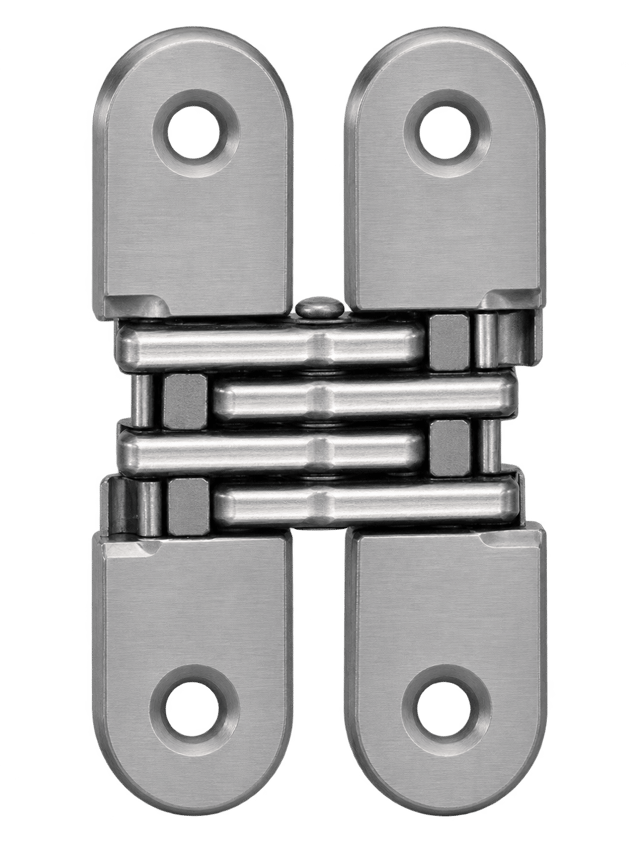
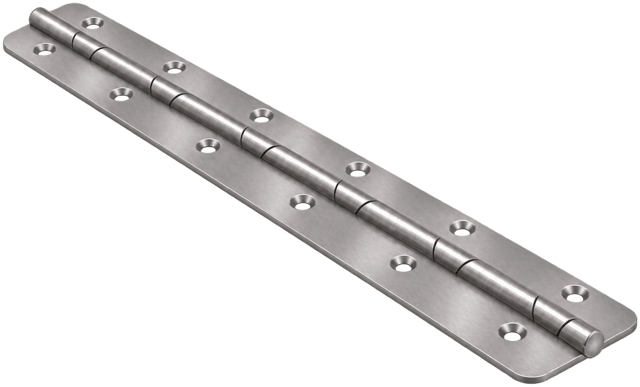
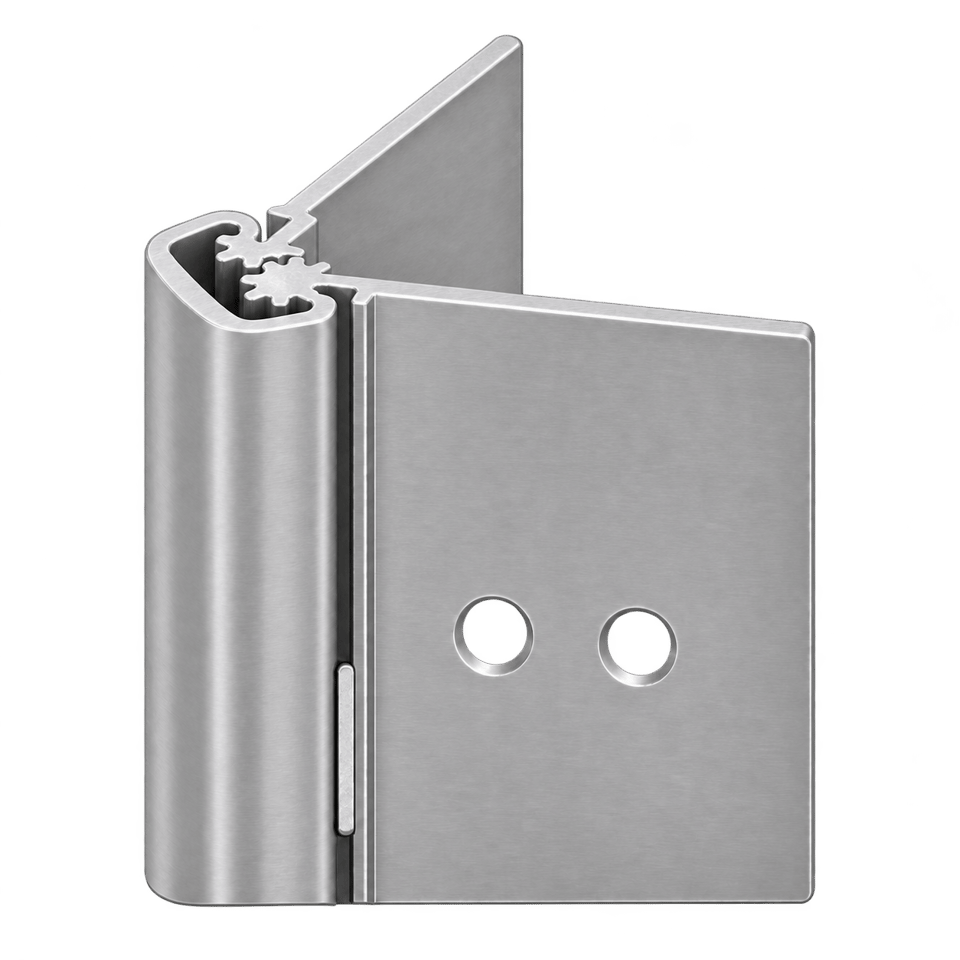
Illustrative rendering of a continuous geared hinge profile segment with meshing gears, two leaves, and two mounting holes

Definition

What is a Continuous Geared Hinge?

A continuous geared hinge runs the full door edge, distributing support along its length for very heavy doors. It has no closing action and works with a separate overhead closer. Door material, height, and mounting style determine whether the complete configuration fits.

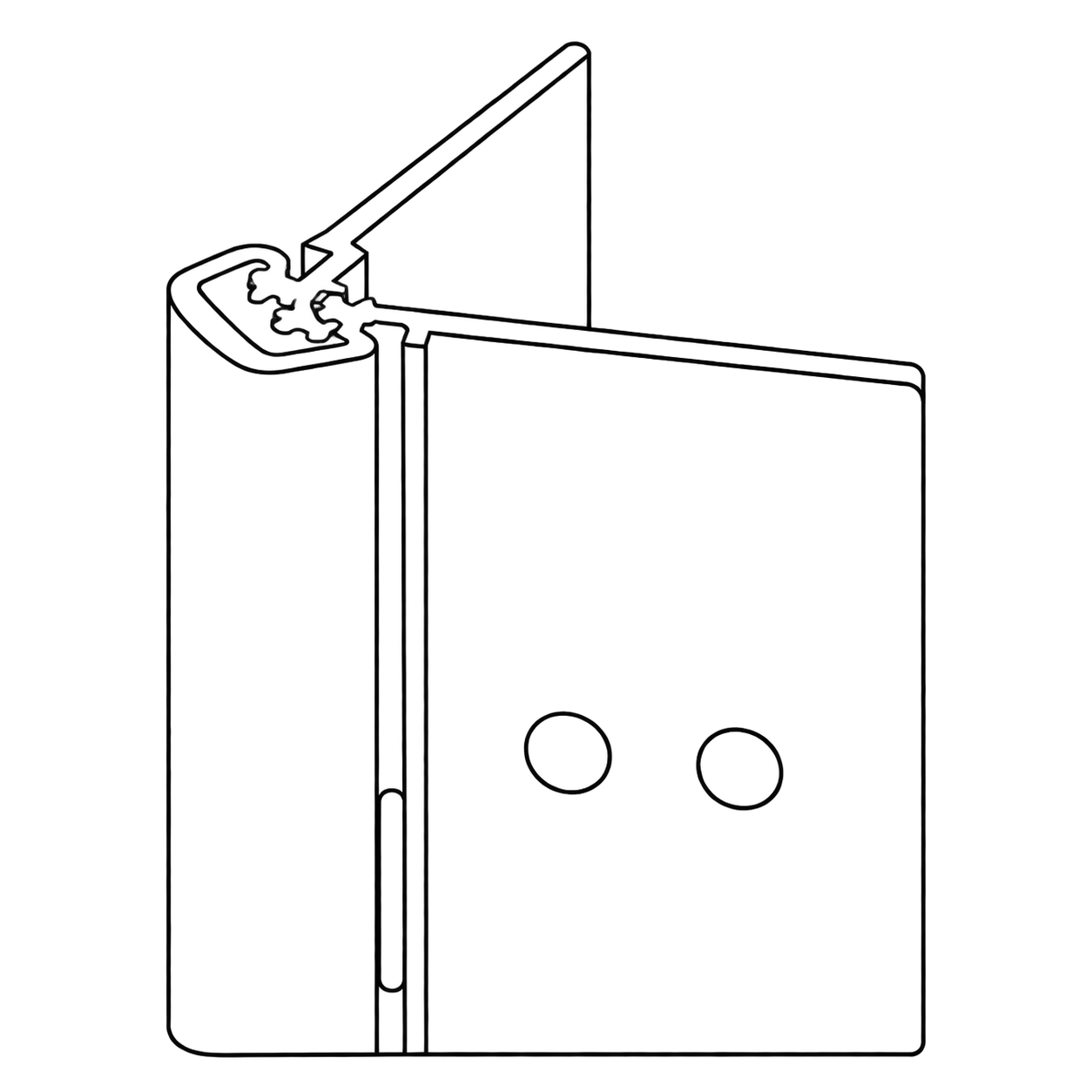
Line drawing of a continuous geared hinge

Compatibility

What Continuous Geared Works With

Continuous geared hinges work on every Ironwood door material, with Zero Sightline on the strike side only.

Deeper Dive

The Technical Details

Downloads

Hinges Reference Documents

General reference documents for this hardware family. Document coverage varies by hardware type.

Continuous Geared Hinge FAQs

Team around a conference table, one person raising a hand to ask a question

Cannot find the answer you are looking for? Our specialists are happy to walk projects end-to-end.

Contact Us
  • No. Continuous geared hinges have no closing action and require an overhead closer. The closer body mounts to the door, and its arm anchors to a headrail or transom with backing.

  • No. The continuous geared hinge does not lift, and its closer also removes lift-over access, so the latch release is the path from outside. Where the door material and weight allow another hinge, surface mount, vault, and continuous spring hinges lift.

  • Solid Surface doors 71″ and taller require the continuous geared hinge with an overhead closer. A 58″ Solid Surface door uses three surface mount hinges, and 59″ to 70″ Solid Surface doors are not available.

  • On the strike side only. A door on a continuous geared hinge can carry Zero Sightline on its latch edge, but not on its hinge edge.

  • No. Left-hand and right-hand doors share the same continuous geared hinge. Inswing and outswing doors use different hinges, so the swing is set when the order is placed.