
WOOD VENEER PARTITIONS
Design with Wood Veneer
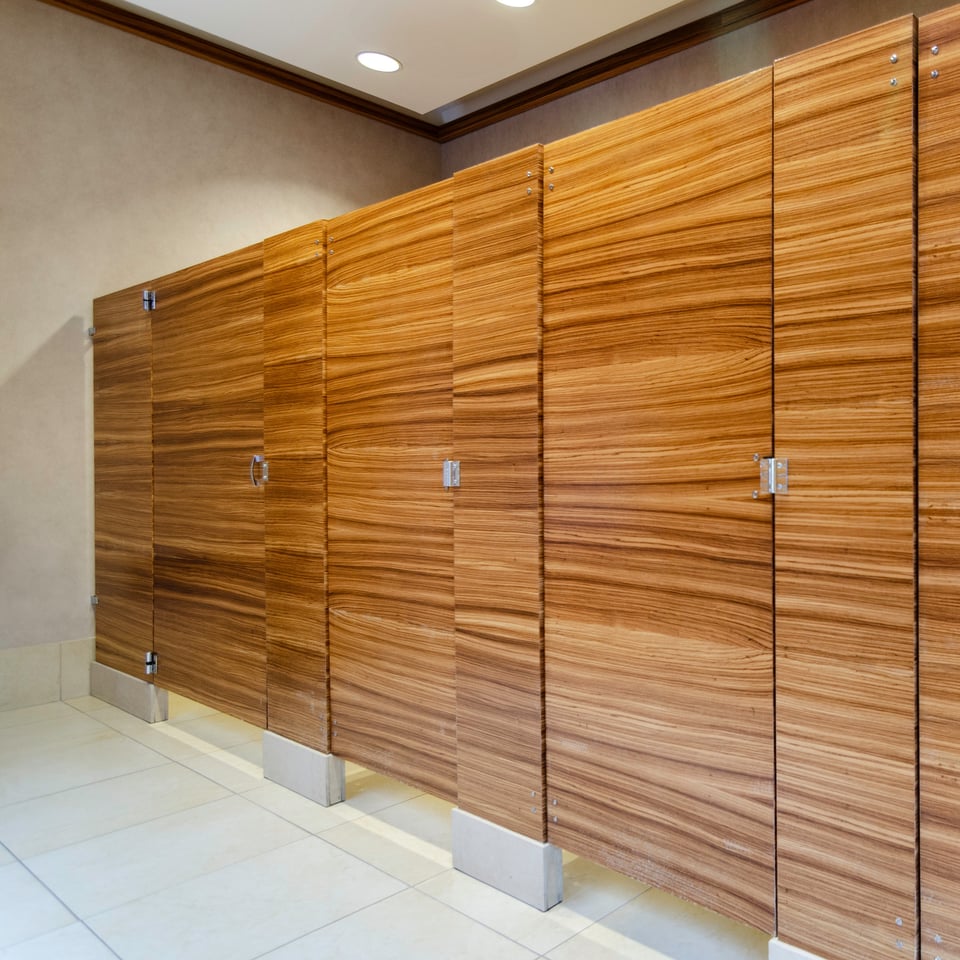
Wood Veneer brings the depth and natural variation of real wood to commercial restroom partitions, with species, cut, match, and stain choices that allow the partitions to contribute to the character of the space.
WOOD VENEER RESOURCES
Quick Access Hub
- View
- Open Charts
Species Chart
- View
Warranty Info
- Request
Request Samples
- Explore
Spec Builder
AVAILABLE SPECIES
Which Species Are Available in Wood Veneer?
We stock select Wood Veneer species and source others by factory order. The species shown below are a starting point for exploring natural tone and grain. Our specialists can help find additional species and confirm availability, cut, and match options.
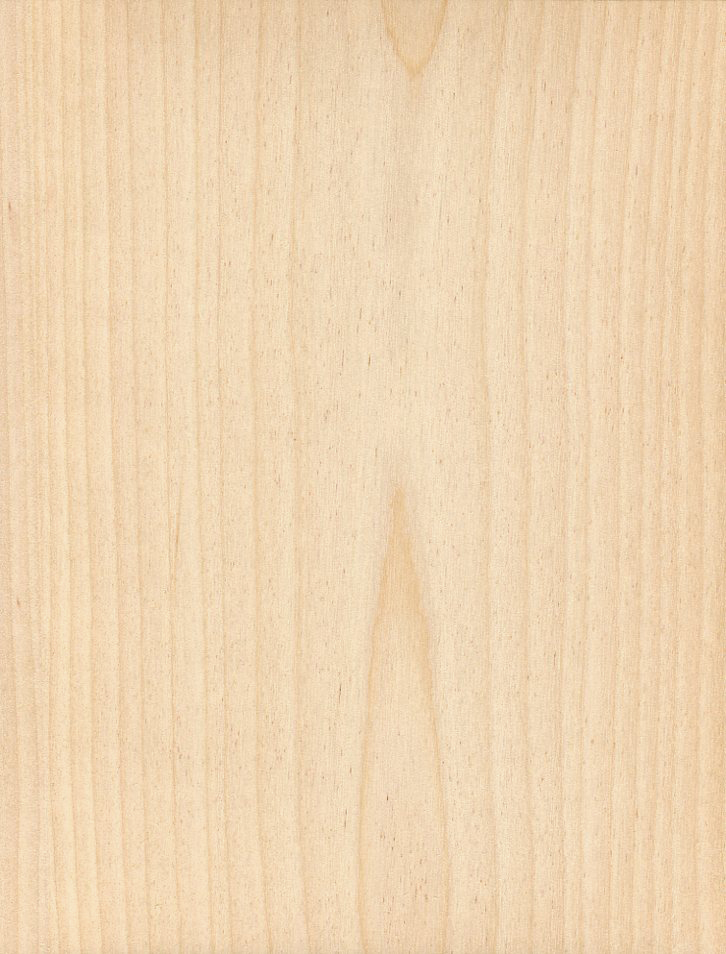 White Birch Flat Cut
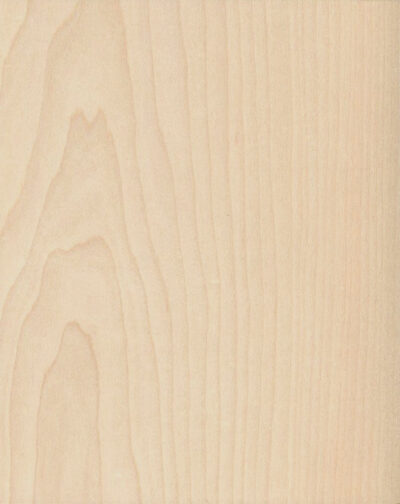 Maple Flat Cut
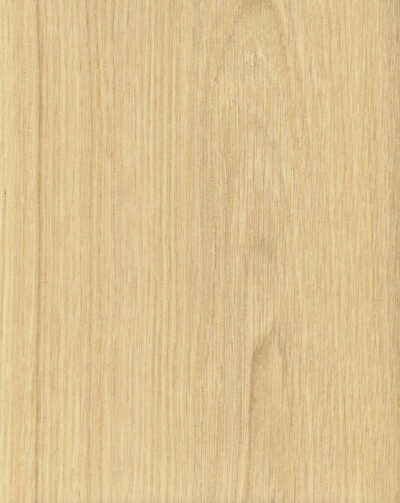 StockedWhite Oak Flat Cut
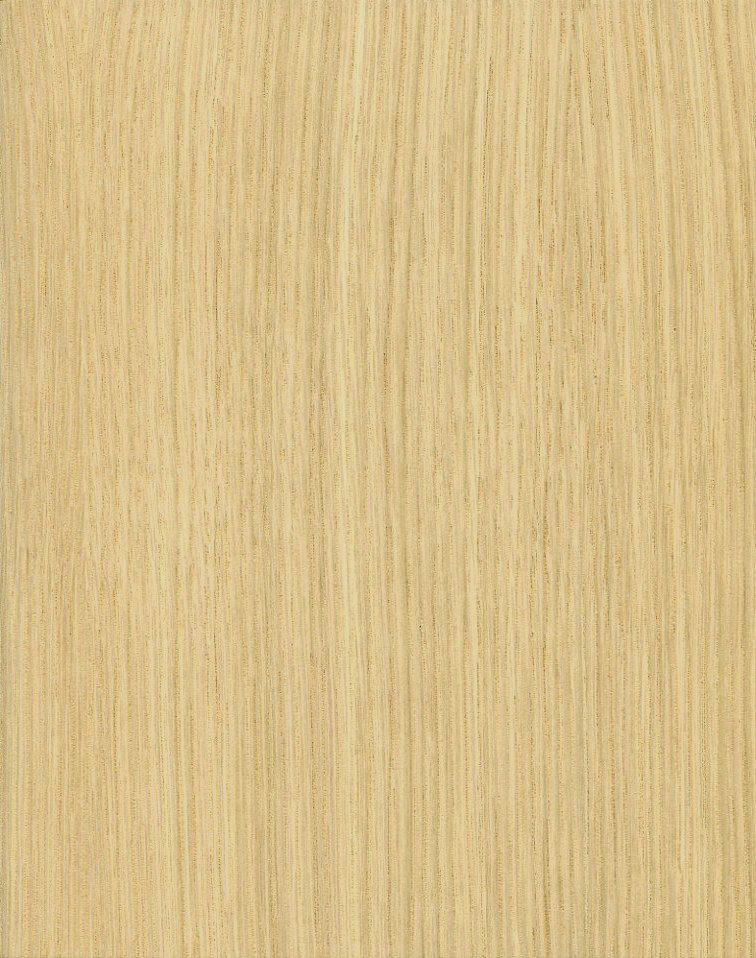 StockedRift Cut White Oak
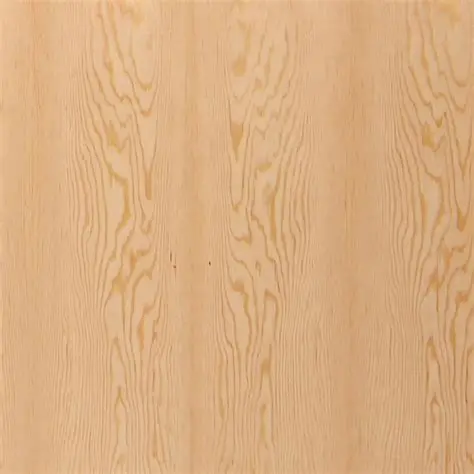 Douglas Fir Flat Cut
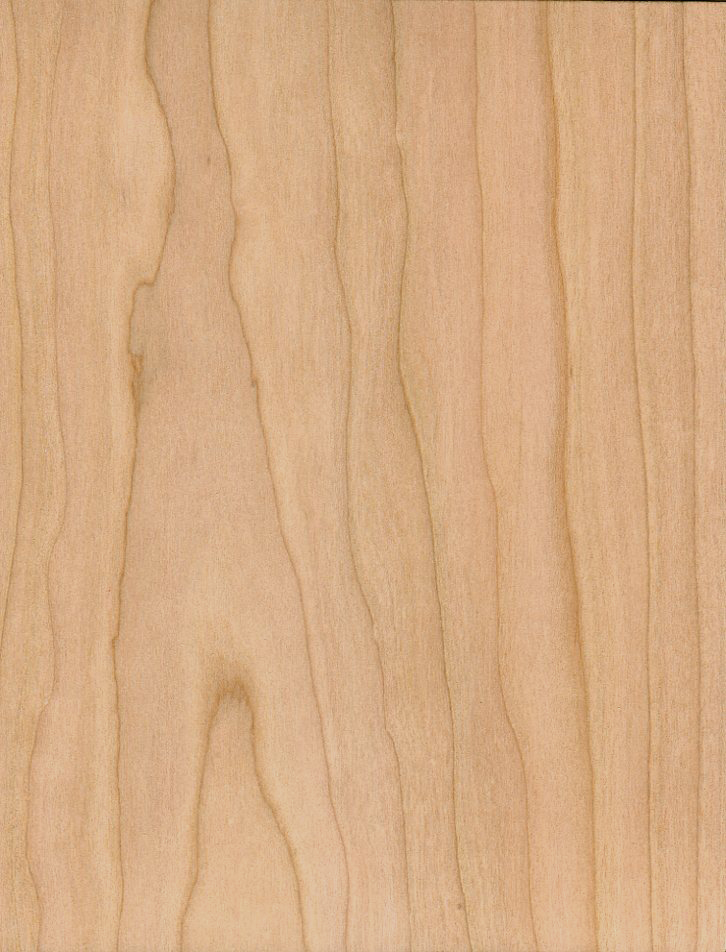 Cherry Flat Cut
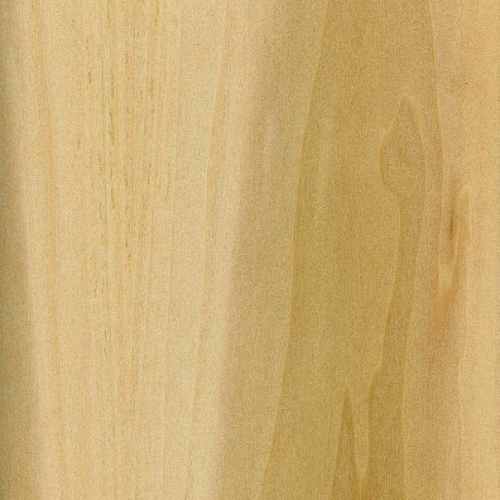 Poplar Flat Cut
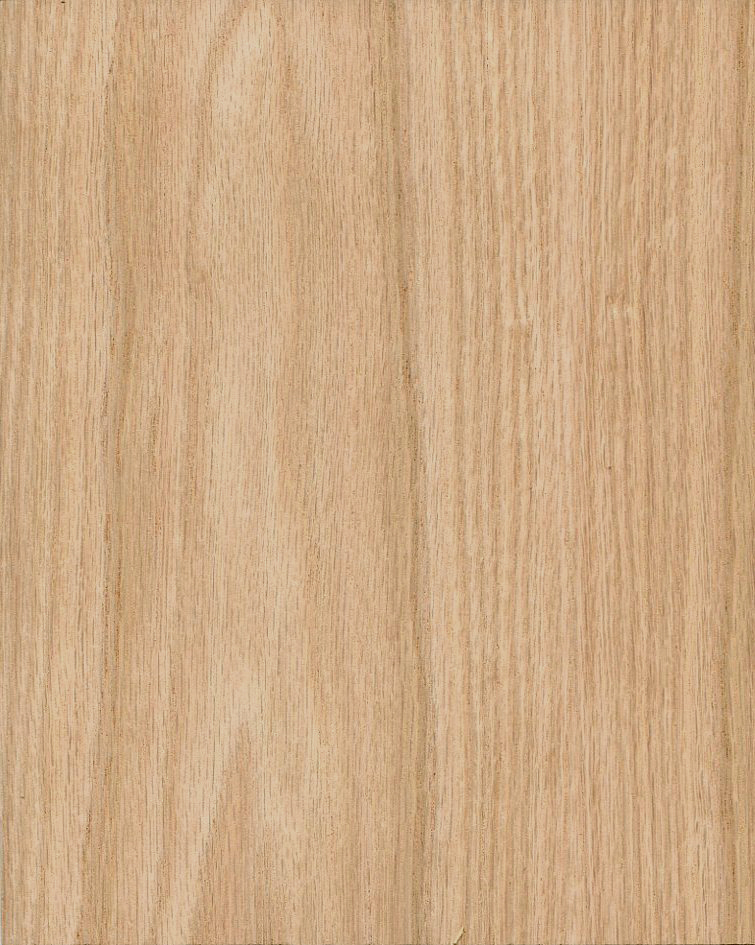 Red Oak Flat Cut
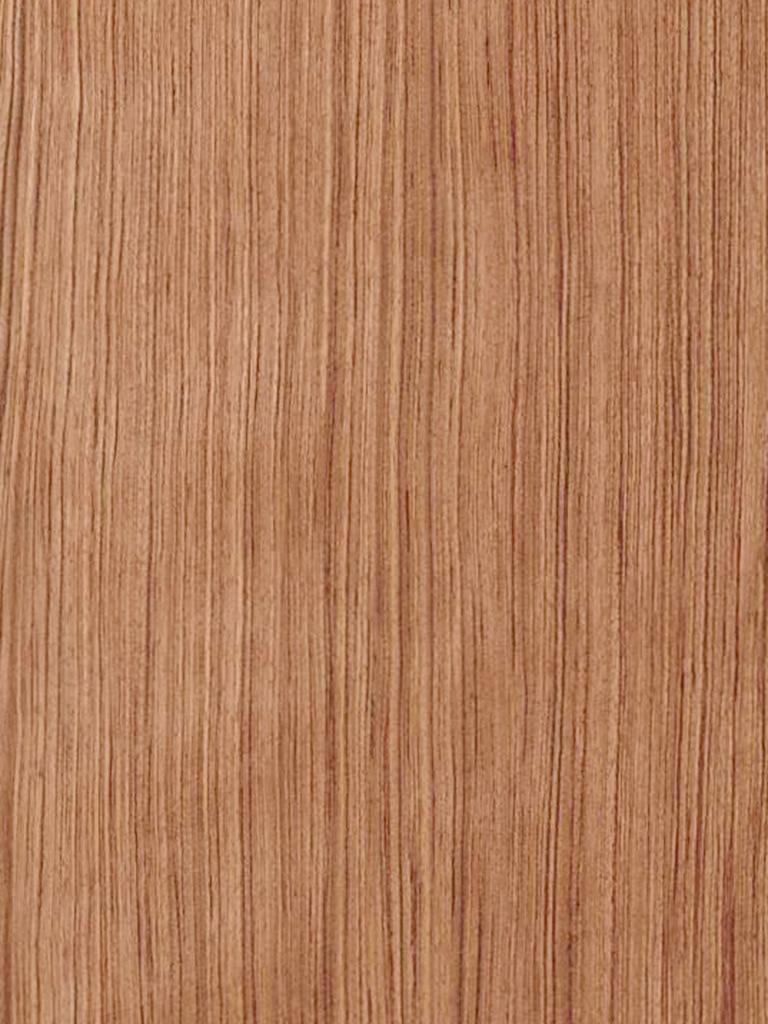 Bubinga Quarter Cut
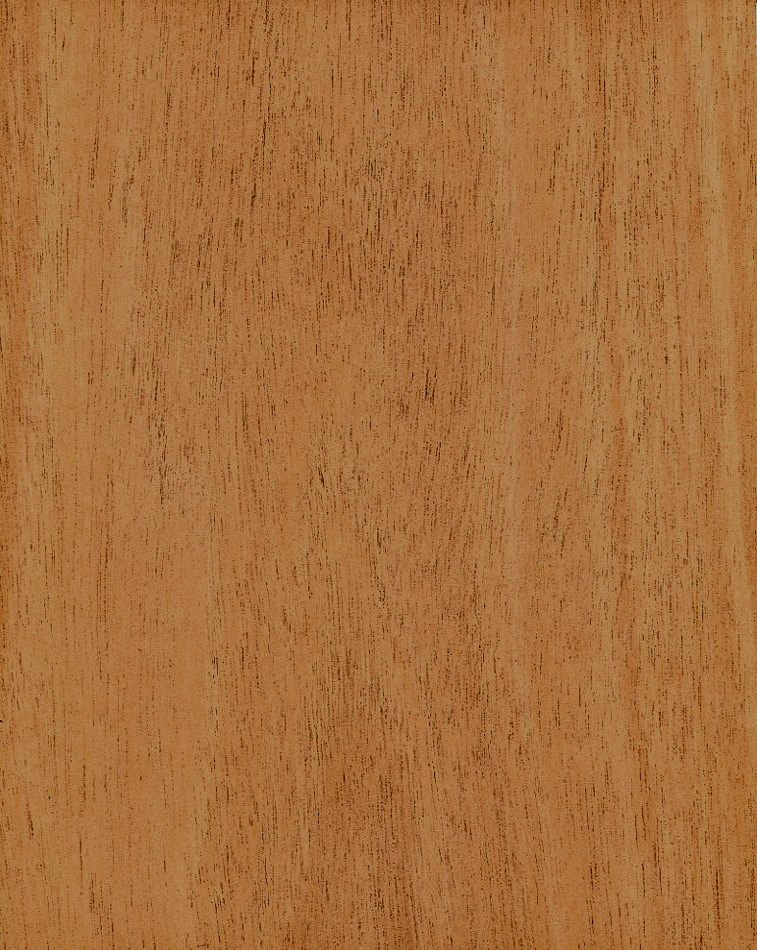 Mahogany Flat Cut
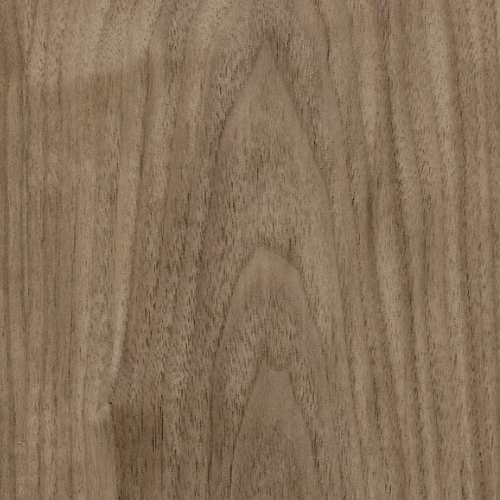 StockedWalnut Flat Cut
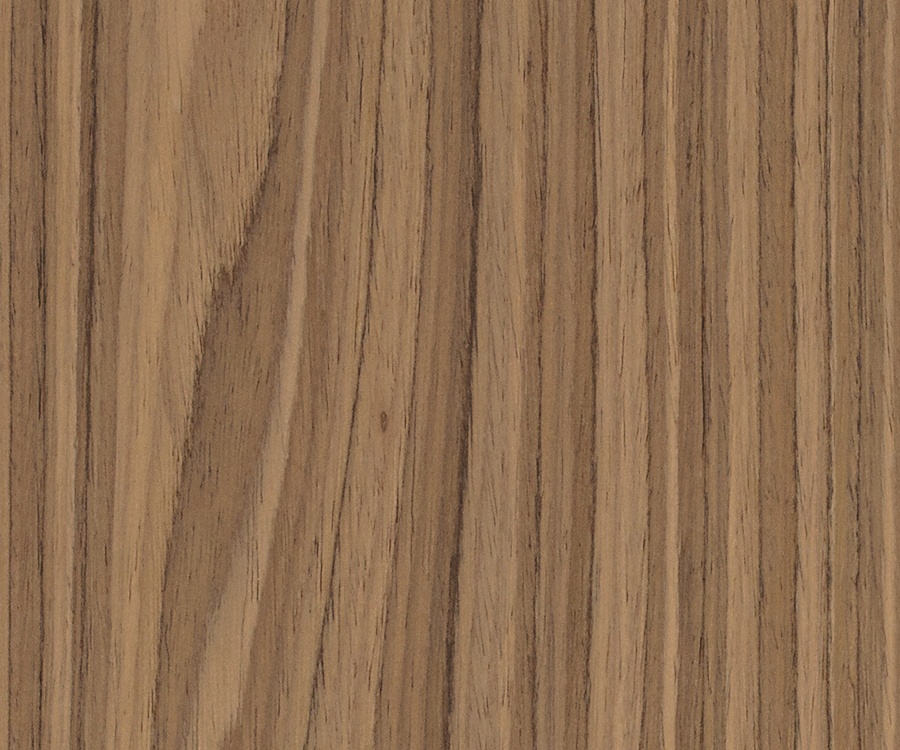 American Wavy Walnut
- Your species
LightestDarkest
Other species are available by factory order, and a particular flitch can be specified where grain continuity across a run is critical.
Project Types
Common Applications
Wood Veneer is often selected for restrooms where the natural grain and finish of real wood contribute to the design.
Offices
Religious Buildings
Wedding Venues
Hotels and Resorts
Senior Living
Wineries and Tasting Rooms
Restaurants
Golf and Country Clubs
Material Selection
Why Choose Wood Veneer
Wood Veneer is specified for the appearance of real wood, and it asks more of the room than a laminate does. The strengths and considerations below show where it belongs.
Strengths
Wood Veneer brings grain, depth, and warmth of real wood to restroom partitions. Its natural variation can add subtle visual texture or give the partitions a more prominent place in the room's material palette.
Wood Veneer offers an extensive range of species, cuts, and leaf matching methods. Together, these choices let designers shape the grain character of the partitions, from fine and straight to bold and expressive.
Wood Veneer can be clear coated to show its natural grain and color or stained to match a project sample. With these finish options, the partitions can take on a range of tones while preserving the wood's natural grain.
Wood Veneer can take a broad range of door forms, from flat panels to custom shapes developed for a project. Applied molding, engraving, and inlay expand the possibilities, allowing the partitions to bring either a quiet wood surface or more layered architectural detail to the space.
Wood Veneer receives a catalyzed conversion varnish that creates a hard, smooth, washable surface. This finish supports everyday use and routine cleaning, giving real wood a practical role as a restroom partition material.
Wood Veneer uses a thin veneer face over an engineered wood core, allowing each log to cover more surface than solid lumber. This efficient use of wood, together with a core sourced from managed forests, can support a project's goals for natural materials and responsible sourcing.
Considerations
Wood Veneer performs well in interior, climate-controlled restrooms where moisture exposure is limited. Elevated humidity may contribute to warping or delamination, so expected conditions should be evaluated during material selection. Wood Veneer is not intended for showers or other locations with recurring water contact.
Wood Veneer's finished surface supports everyday use in commercial restrooms. During material selection, expected traffic and the likelihood of repeated impact or deliberate abuse should be weighed against the risk of damage to its thin wood face.
Wood Veneer may gradually change tone over its years in service. Where daylight or interior lighting brings sustained light exposure, the possibility of a noticeable shift deserves consideration when selecting the species and finish.
The range of color and grain across a full Wood Veneer installation may be broader than is apparent during sample review. Selecting flitches from one log may narrow that range while retaining natural wood. If a more uniform pattern is desired, wood grain laminates offer another option.
Wood Veneer's natural character takes more time and care to produce than High Pressure Laminate, and that work affects both cost and lead time. For factory-order species, selected flitches, or horizontal grain, the desired appearance should be weighed alongside the project's budget and schedule.
Material Basics
What is Wood Veneer?
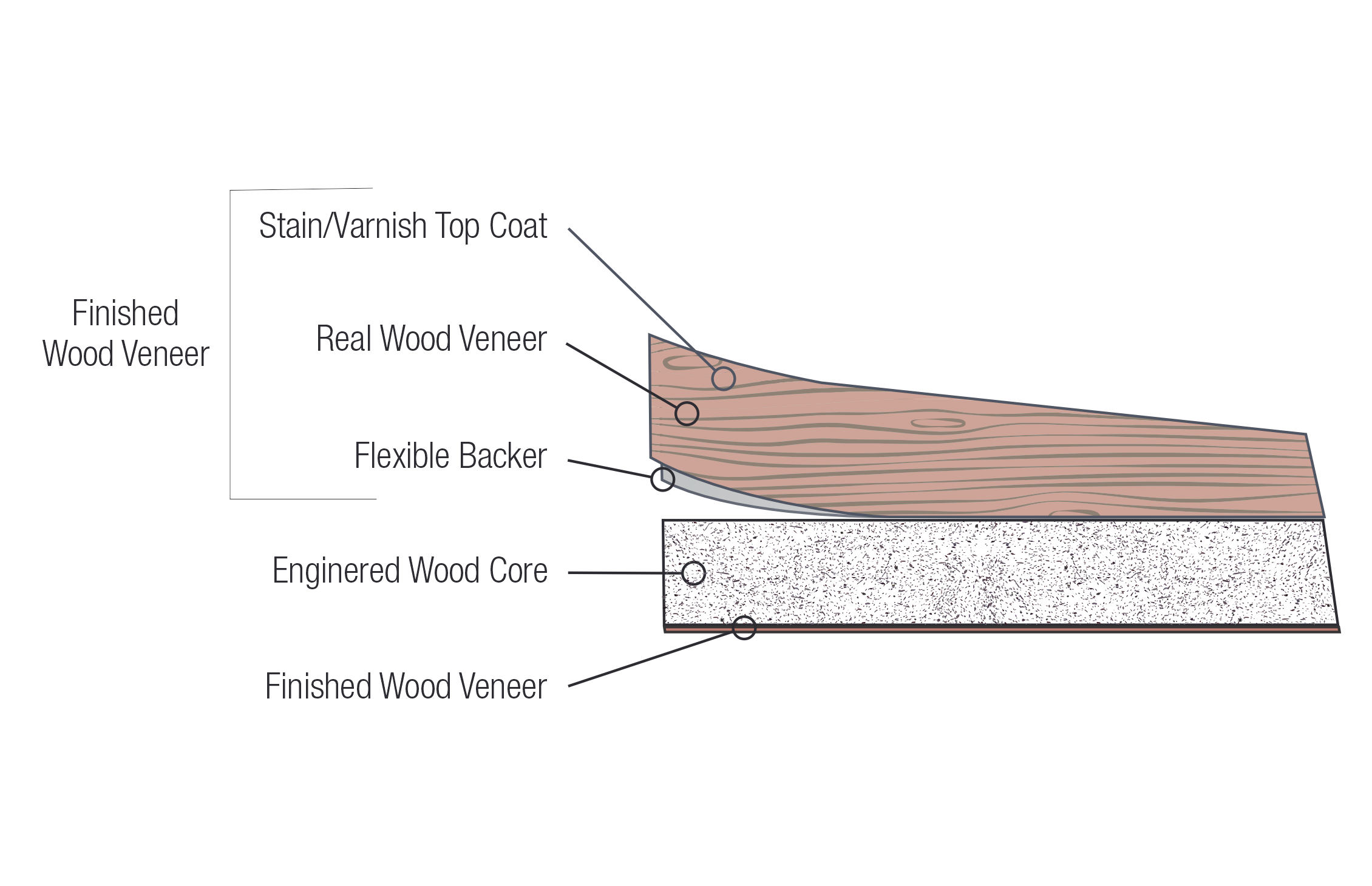
Wood Veneer is a thin layer of real hardwood bonded to both faces of an engineered core. The veneer contributes grain and color, the core contributes thickness and stability, and a conversion varnish topcoat makes the face washable.
Deeper Dive
Wood Veneer Insights
Face, core, and edges
How real wood becomes a restroom partition
Wood Veneer partition components are built around a core, with 0.032″ wood-backed veneer bonded to each face using PVA adhesive. Panels, pilasters, and flat doors typically use particle board cores, while framed door styles use engineered wood. Exposed edges receive wood veneer banding selected to match the face species, bonded with PUR adhesive, and finished to match the faces.
The veneer faces and banded edges receive a catalyzed conversion varnish topcoat. Together, the bonded faces, banded edges, and protective finish give the components the structure and surface protection needed for everyday use in interior commercial restrooms.
Color, grain, and leaf pattern
How much of wood's character can be planned?
Species establishes a range of natural color and grain character. White Oak generally has a lighter gray-brown tone, while Walnut can range from medium to dark brown. The cut changes how that character appears in each veneer leaf: flat cut can show a flowing cathedral figure, while quarter and rift cuts produce straighter grain. Rift cut is often chosen for oak when a fine comb grain with little ray flake is desired. Matching controls how leaves repeat across the assembled sheet face. Book matching flips alternating leaves into mirrored pairs; slip matching lays them in sequence without flipping. Flipping can also make adjacent leaves reflect light differently, creating light and dark striping in some species.
Together, these choices shape the pattern of each assembled face. Small samples can show species and cut, but the effect of leaf matching requires a larger face to evaluate. Even with these choices specified, Wood Veneer remains a natural material. Across a full installation, the range of color and grain may be broader than the samples suggest.
Stocked species
| Species | Cut and match |
|---|---|
| White Oak | Rift cut · Slip matched |
| Walnut | Flat cut · Book matched |
| White Oak | Flat cut · Book matched |
Topcoat, cleaning, and repair limits
When a scratch becomes a replacement decision
Wood Veneer components are finished with a catalyzed conversion varnish. This two-component coating cures into a hard, smooth film over the veneer faces and banded edges, protecting the wood during everyday use and routine cleaning. For routine care, Ironwood recommends regular dusting and wiping with a damp cloth and mild wood cleaner, followed by removal of any cleaner residue and prompt drying. Abrasive cleaners, scouring pads, harsh chemicals, and excess moisture should not be used.
If damage occurs despite routine care, its depth determines what can be done. Minor scratches limited to the finish may be repaired, but Ironwood should be consulted before any on-site work is attempted. If a scratch cuts through the finish and into the veneer, a furniture-finish specialist may be able to fill and color the damaged area so it blends with the surrounding surface. The repair may still be visible on close inspection; if the result is unacceptable, a new component may be required. The replacement brings another appearance challenge: its veneer may differ in grain and color from the original. Even with a matched stain, the new piece may remain noticeable beside the surrounding partitions.
Core movement, checking, and paint
What happens on either side of the wood face?
Wood Veneer remains real wood even after it is bonded to a core. What lies beneath it needs to move with the veneer, and what goes over it needs to work with the wood’s natural surface.
A core with substantially different expansion can place stress on the bonded veneer and cause it to check. Compact Laminate is one example: its movement differs enough from Wood Veneer that bonding the two together risks visible cracking in the wood face.
A finish must produce the intended appearance while protecting the wood beneath it. With an opaque painted finish, pores and leaf joints in Wood Veneer can remain visible; extensive preparation may reduce these marks without eliminating them. For this reason, painted Wood Veneer is not offered as a factory finish. When a painted grain effect is desired, textured High Pressure Laminate lets the grain pattern show through the finish without relying on a veneer face.
Width, height, and splices
What changes when one sheet is not enough?
Wood Veneer sheets are typically laid out with the grain running vertically. In that orientation, a single sheet can cover a component up to 60″ wide before its veneer requires a splice.
With horizontal grain, the sheet width limits a component’s height to 60″ before a splice is required in the veneer. Note, however, edge banding is only available in vertical grain. Specifying a horizontal veneer layout increases cost and lead time.
Splicing the veneer can keep an oversized panel as one component, with wood’s varied grain often helping the seam blend even if it remains visible. If the core also requires a joint, costs increase. The choice between one oversized panel and a layout divided by another component, such as a back pilaster, depends on the desired appearance and cost.
Usable sheet sizes
| Width | Length along the grain |
|---|---|
| 48″ | 96″ |
| 60″ | 120″ |
Materials, documents, and claims
One partition, several sources of evidence
A Wood Veneer partition combines a veneer face, wood core, adhesives, edge banding, and finish. The veneer’s origin can vary by species, supplier, and even the specified flitch. Documentation for one selection may not apply to another.
Supplier documents may address wood sourcing, material content, or VOC information. Their claims apply to the materials they identify, not automatically to the completed partition. Projects with LEED or other environmental goals benefit from reviewing supplier documents during material selection, while there is still time to address gaps without changing the specified materials later.
The Process
How to Specify Ironwood
A complete Ironwood specification in three steps.
Open the Spec Builder
A few guided choices turn your design intent into an exact Ironwood model number.
Download Your Spec Package
A CSI spec, cut sheet, and technical data are generated instantly for your exact model.
Send It or Ask Us Anything
Call 360-568-1823 or email specs@ironwood-mfg.com. Our specialists walk projects end-to-end.
What You Walk Away With
- CSI Spec
- Cut Sheet
- Technical Data
Common questions about Wood Veneer

Cannot find the answer you are looking for? Our specialists are happy to walk projects end-to-end.
Contact Us- Wood Veneer is worth considering when the design calls for the grain, figure, and natural variation of real wood. High Pressure Laminate with a woodgrain pattern generally offers a more consistent appearance across components, a lower material cost, and greater tolerance for humidity and everyday wear.
- No. Wood Veneer is intended for climate-controlled interior restrooms, not showers or spaces with recurring water contact or sustained high humidity. Compact Laminate and Solid Surface are better suited to those conditions because their constructions tolerate recurring water contact.
- No. Wood Veneer does not have a published fire rating. If a fire rating is required, consider Compact Laminate, which is available with a Class A fire rating.
- No. Even with extensive preparation, wood pores and veneer leaf joints may remain visible through opaque paint. Painted High Pressure Laminate with a woodgrain texture is the preferred option, because the grain effect comes from the texture rather than a veneer face. Unfinished Wood Veneer is also available for finishing by others.
- Wood Veneer partitions can remain in service for many years and are backed by Ironwood's 5-year limited warranty. Actual service life depends on cleaning practices and the level of use and abuse.
For routine cleaning, wipe Wood Veneer partitions with a damp cloth and mild wood cleaner. Remove any cleaner residue and dry the surface promptly. Avoid abrasive cleaners, scouring pads, harsh chemicals, and excess moisture, which may damage the finish.
Minor scratches limited to the finish may be repaired. When damage reaches the veneer, a repair may still be possible, but how well it blends with the surrounding wood becomes the deciding factor. If replacement is needed, finding a close match takes extra care because grain varies and wood changes tone over time.
Rift Cut White Oak, Flat Cut White Oak, and Flat Cut Walnut are stocked. Other species and cuts are available by factory order, with lead times varying by selection.
Yes. Ironwood uses a customer-provided sample as the stain reference, then sends a stained Wood Veneer sample for approval before production.
Wood Veneer doors have a maximum height of 108″. Where the design calls for coverage above the door, a transom can extend it to the ceiling. Panels and pilasters reach up to 120″, subject to the selected mounting style.
Gallery
Featured Wood Veneer Bathroom Stalls
Explore species, door styles, and mounting configurations in completed Wood Veneer projects.
Louver · Floor to Ceiling
Engraving · Headrail Braced
Flat Panel · Floor to Ceiling
Captured Panel · Headrail Braced
Louver · Headrail Braced
Engraving · Floor Mount
Door Lite · Floor to Ceiling
Explore Others
Looking for a different option?
Every partition material involves trade-offs. Compare moisture exposure, traffic levels, finish requirements, and budget considerations to determine the best fit for your project.
High Pressure Laminate HPL
High Pressure Laminate (HPL) pairs a decorative laminate surface with a wood core and offers the widest selection of colors and patterns.
Compact Laminate CPL
Compact Laminate combines a decorative surface with solid phenolic construction for wet areas and demanding use.
Solid Surface
Solid Surface brings a non-porous surface that can be refinished in place to commercial restrooms where hygiene and long-term appearance matter.
Engineered Stone
Engineered Stone, often referred to as quartz, is a polished, non-porous material for panels and pilasters, typically paired with doors in another material.