Hardware · Mounting

Shoes

A shoe is the stainless steel sleeve at the base or top of a pilaster. It conceals the mounting hardware and protects the pilaster from mops and kicks.

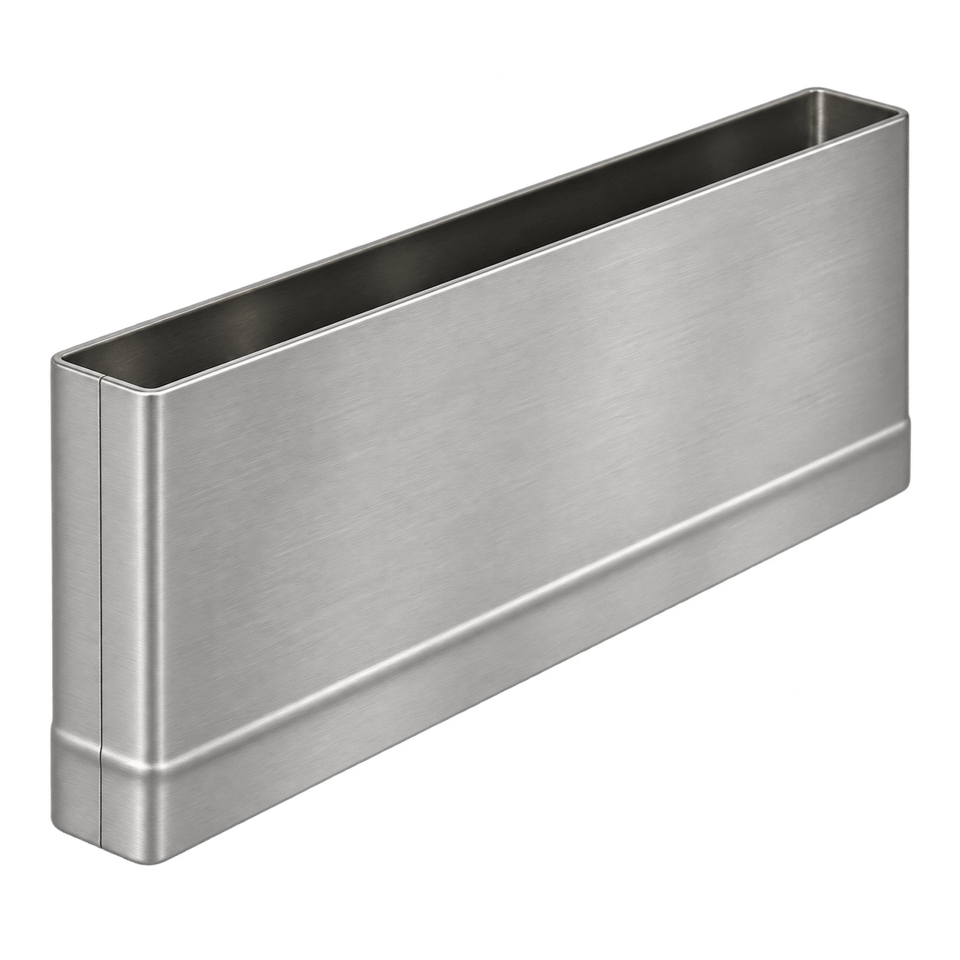
Brushed stainless steel partition shoe with a hemmed bottom edge

Definition

What Is a Shoe?

A shoe is a stainless steel sleeve that covers the end of a pilaster at the floor or the ceiling. It conceals the mounting plate or mounting bar, covers the gap at the connection, and takes mop and kick contact. Its width matches the pilaster thickness, and its height follows the connection. The shoe follows from the mounting style, so the designer does not select it.

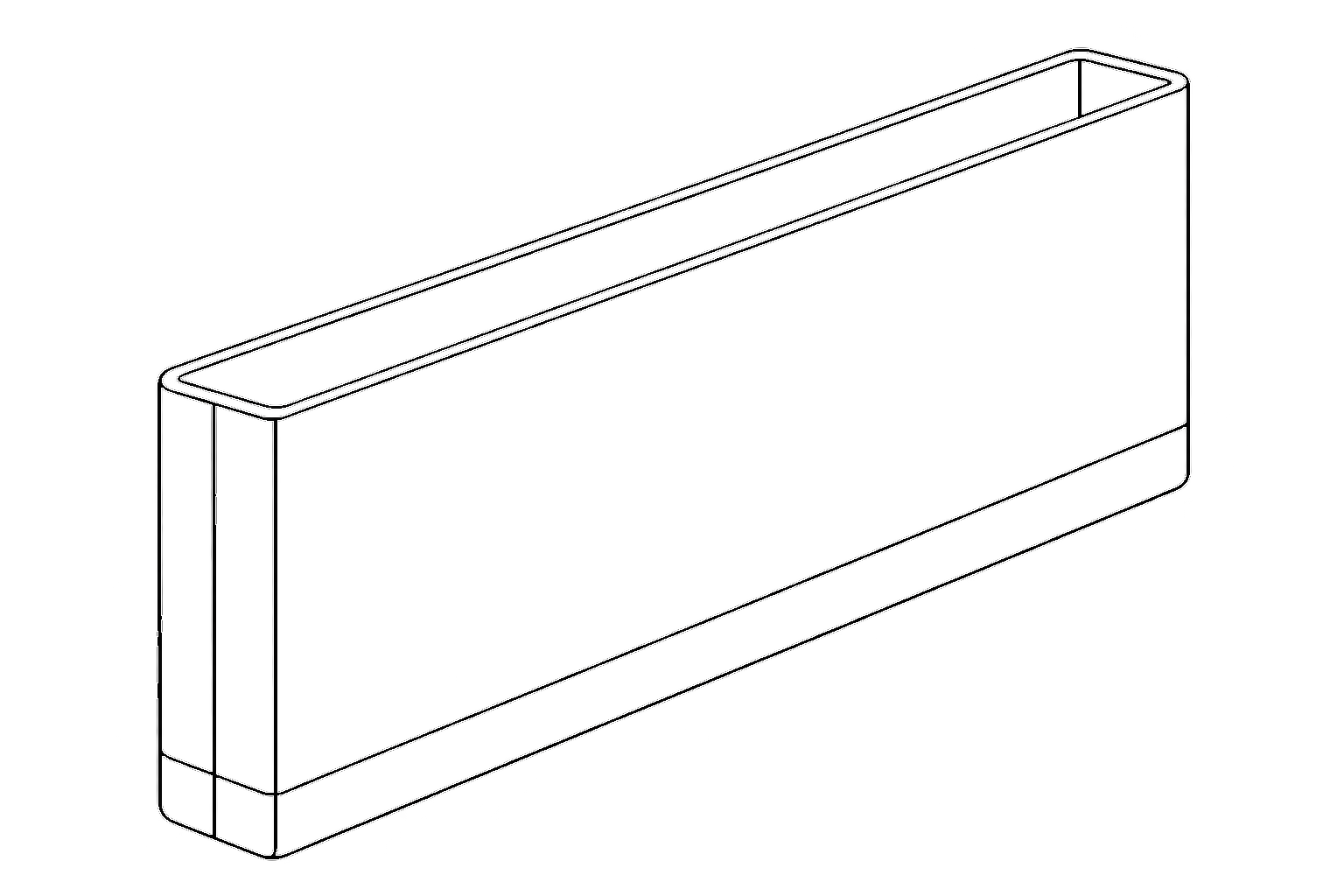
Line drawing of a partition shoe

Compatibility

What Shoes Work With

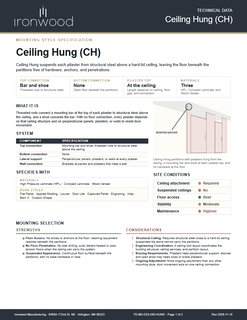
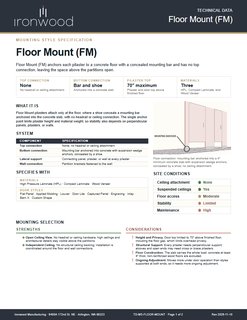
Shoe selection follows the actual plate or bar connection. Solid Surface and Engineered Stone use 3″ shoes on plates and are excluded from Floor Mount and Ceiling Hung mounting.

Deeper Dive

The Technical Details

Downloads

Mounting Reference Documents

General reference documents for this hardware family. Document coverage varies by hardware type.

Shoe FAQs

Team around a conference table, one person raising a hand to ask a question

Cannot find the answer you are looking for? Our specialists are happy to walk projects end-to-end.

Contact Us
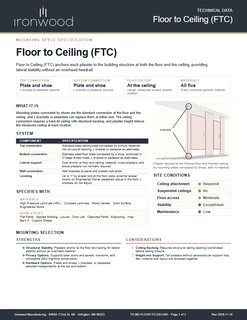
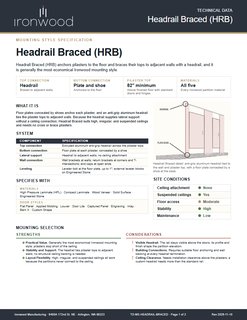
  • No. Each plate or bar connection receives a shoe; pedestal and L bracket connections do not. Standard Floor to Ceiling has a shoe at both ends, but its alternative connections can omit either or both. European uses floor pedestals under a headrail and has no shoes.

  • The connection sets the height, not the material. A shoe on a mounting plate is 3″ tall at the floor or the ceiling. A shoe on a floor mounting bar is 5″, and on a ceiling mounting bar 4″. Standard shoes come in discrete heights from 2″ to 30″.

  • Where a shoe is present, the minimum Zero Sightline door gap at that floor or ceiling connection equals the shoe height plus 1″. Pedestal and L bracket connections have no shoe. Lap-joint Zero Sightline pilasters with shoes also take shoe plugs that fill the rabbet behind the shoe.

  • A U shoe wraps three edges of the pilaster. It is used where a wall, a transom, or an abutting component blocks the fourth edge at shoe height.

  • No. The mounting style, material, and layout set the shoe's presence, width, height, and type. The designer decides whether a pedestal or an L bracket replaces the plate and shoe.